How to evaluate weight-loss pills, drops, shakes, and diet supplements
Diet products come in formats ranging from capsules and microbial formulas to coffee additives and powdered shakes, but format does not prove effectiveness. Compare the full label, ingredient amounts, safety issues, evidence for the finished product, and total cost before ordering. A useful reality check is whether a normal day of meals supplies enough protein, fiber, produce and essential fats—not just a calorie total.
Start with the claim, then ask what supports it
Terms such as fat-burning, detox, metabolism support, thermogenesis, and belly fat are marketing descriptions unless they are backed by reliable evidence for the specific formulation and outcome. Evidence that one ingredient affects a laboratory measurement does not prove that a proprietary mixture causes meaningful, lasting weight loss.
the listed ingredients for LivPure, Ikaria Juice, Metabo Drops, Java Burn, HepatoBurn, AquaBurn, and Flat Belly Shake are manufacturer text rather than independent clinical proof. They can identify format or disclosed ingredients, but they cannot establish comparative rankings such as best diet pill or a top-ten position.
- Look for studies of the finished formulation, not only general research on individual ingredients.
- Check whether results measure body fat or sustained weight change rather than short-term energy, digestion, or appetite.
- Treat testimonials, customer counts, dramatic headlines, and before-and-after images as advertising rather than controlled evidence.
Compare products by format and disclosed information
LivPure and HepatoBurn are presented as liver-focused supplements, while AquaBurn is described as a pill containing an 11-nutrient blend. Ikaria Juice names several botanical ingredients, Metabo Drops is a liquid intended for coffee, Java Burn is promoted around coffee and names green coffee bean extract, and Flat Belly Shake is a powder mixed with water.
These distinctions affect convenience, allergen review, interaction screening, and whether the product replaces food or is merely added to it. They do not show which option produces superior weight loss.
- Capsules or pills: verify serving size, ingredient amounts, capsule materials, and swallowing suitability.
- Drops and coffee additives: check stimulant exposure from both the formula and the beverage.
- Microbial products: look for complete genus, species, strain identifiers, storage directions, and viable count through the end of shelf life.
- Shakes: inspect calories, protein, fiber, added sugar, allergens, and whether the product is nutritionally suitable for its intended use.
What CFUs and strain names can establish
A colony-forming unit count estimates viable microorganisms; it does not by itself prove weight loss or digestive benefit. Effects observed with one identified strain and dose cannot automatically be assigned to an unspecified microorganism blend.
Postbiotics are nonliving microbial preparations or components, whereas probiotics contain live microorganisms. A product should not be assumed to be one or the other when the label information is incomplete.
Recommended Products
What labels and manufacturing language cannot prove
Natural does not mean risk-free, and plant-based ingredients can interact with medication or worsen health conditions. Proprietary blends can make evaluation harder when individual ingredient quantities are not disclosed.
In the United States, dietary supplements are not preapproved by the FDA for weight-loss effectiveness before sale. An FDA-registered facility, GMP language, or a made-in-USA statement is not the same as FDA approval of the product.
- Look for a Supplement Facts panel, lot number, expiration information, manufacturer contact details, and independent quality testing.
- Be cautious when an advertisement combines urgent stock warnings with extraordinary weight-loss claims.
- Confirm the full price, shipping charge, subscription status, refund steps, and return-shipping responsibility before entering payment information.
Screen for safety before placing an order
Discuss weight-loss supplements with a pharmacist or clinician if you take medication for diabetes, blood pressure, mood, attention, blood clotting, or thyroid disease. The same applies during pregnancy or breastfeeding and for people with liver, kidney, heart, gallbladder, or gastrointestinal disease.
Stop using a new product and seek medical advice for persistent palpitations, severe diarrhea, jaundice, dark urine, unusual bleeding, rash, or worsening anxiety. Call emergency services for chest pain, trouble breathing, fainting, facial swelling, or other signs of a severe reaction.
- Bring a photo of the complete label and serving directions to the consultation.
- Count caffeine from coffee, tea, energy drinks, pre-workouts, and the supplement together.
- Do not combine several weight-loss products simply because their ingredient lists appear different.
- Report serious reactions through appropriate medical and regulatory channels.
Use an evidence-first weight-management plan
A supplement should not displace adequate meals, sleep, physical activity, or evaluation of medications and health conditions that affect weight. A practical first step is to track usual meals, beverages, sleep, hunger, and activity for one week, then select one or two changes that can be measured.
When lifestyle changes are insufficient, a clinician can assess whether an FDA-approved prescription treatment is appropriate. Prescription obesity medications have defined indications, contraindications, monitoring needs, and potential adverse effects; they are not interchangeable with over-the-counter diet capsules. Plan the foods you can repeat on a busy weekday before buying products that promise to make the eating plan effortless.
- Set a measurable behavior goal, such as preparing three vegetable-forward dinners each week.
- Review progress after several weeks using trends rather than a single weigh-in.
- Seek professional support when weight changes are unexplained, eating feels out of control, or prior dieting has contributed to disordered behavior.
Supplements for Mediterranean Diet

LivPure
LivPure brings together silymarin, berberine, betaine and choline in a formula aimed at liver wellness, energy metabolism and cellular antioxidant defense. Berberine is included for metabolic wellness, while milk thistle and glutathione focus on liver and cellular antioxidant support. With mediterranean diet, betaine and silymarin support normal liver nutrient processing while the meals provide protein, fiber and energy.

Ikaria Juice
Ikaria Juice combines green-tea polyphenols, citrus pectin, turmeric, dandelion and milk thistle with inulin and a multi-strain probiotic blend. The combination of probiotic cultures, prebiotic fiber and botanical polyphenols targets gut comfort and everyday metabolic health. A mediterranean diet eating pattern can be paired with its inulin-and-probiotic support for digestive balance as fiber intake changes.

Metabo Drops
Metabo Drops is a coffee-mix formula combining chromium for normal macronutrient metabolism with chlorogenic acid, green tea, L-carnitine and L-theanine. The coffee-mix approach aims to support metabolic efficiency and steady daytime energy, with L-theanine helping balance alertness. Alongside mediterranean diet, the coffee or tea format supplies chromium and botanical polyphenols while food remains the source of satiety and nutrients.

Java Burn
Java Burn uses a coffee-mix format to deliver green tea, chlorogenic acid, L-carnitine, chromium and vitamins B6 and B12 for nutritional metabolism and energy. Chromium and B vitamins contribute to normal nutrient and energy metabolism; the green-tea and green-coffee extracts add polyphenols. Alongside mediterranean diet, the coffee or tea format supplies chromium and botanical polyphenols while food remains the source of satiety and nutrients.

HepatoBurn
The HepatoBurn formula pairs liver-support nutrients such as choline and betaine with milk thistle, glutathione, green tea and resveratrol. The combination of liver-oriented nutrients and green-tea compounds is intended to support everyday metabolic energy and healthy fat handling. With mediterranean diet, betaine and silymarin support normal liver nutrient processing while the meals provide protein, fiber and energy.

AquaBurn
AquaBurn combines green-tea catechins, resveratrol, fucoxanthin from seaweed, quercetin, ginger, ginseng and turmeric. The blend emphasizes antioxidant protection and energy processes through green tea, resveratrol, ginseng and seaweed carotenoids. During mediterranean diet, its tea and fruit polyphenols provide an antioxidant-oriented complement to varied meals.
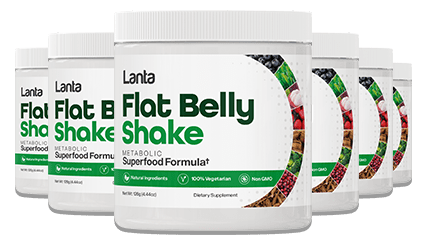
Flat Belly Shake
Flat Belly Shake is designed around the convenience of a prepared drink when planning breakfast, snacks and daily calorie intake. A prepared shake can simplify a planned breakfast or snack; the actual protein, fiber and calorie amounts on the current label determine how filling it may be. For mediterranean diet, the drink format helps organize a measured serving when the full label meets daily protein and calorie needs.

Nagano Tonic
Nagano Tonic is a powdered drink mix made with botanicals and nutrients including camu camu, green-tea EGCG, mangosteen, ginger and inulin. Its formula is promoted for daily metabolic, energy and digestive support; it is not a substitute for balanced nutrition or medical care. When comparing options alongside mediterranean diet, review the ingredient label and seller terms before ordering.
Frequently Asked Questions
Do not rely on a ranked list alone. Compare evidence for the finished product, disclosed doses, interaction risks, independent quality testing, adverse-event information, and total cost; ask a clinician about approved treatments when medically appropriate.
Not automatically. Natural ingredients can cause side effects, interact with drugs, or be present in uncertain quantities, especially in proprietary blends.
Correcting a documented nutrient deficiency can support normal health, but routine vitamin use does not establish a fat-loss effect. More is not necessarily better, and some vitamins can be harmful at high doses.
No. A guarantee is a sales term, not clinical evidence. Read the deadline, return conditions, shipping exclusions, and subscription terms before buying.