Mediterranean diet versus keto: choosing a pattern you can follow safely
The Mediterranean and ketogenic diets can both reduce refined carbohydrates, but they differ sharply in carbohydrate limits, food variety, and long-term practicality. A useful comparison should focus on medical needs and adherence rather than online before-and-after claims. Plan the foods you can repeat on a busy weekday before buying products that promise to make the eating plan effortless.
The defining difference is carbohydrate restriction
A Mediterranean pattern commonly includes fruit, beans, whole grains, and starchy vegetables. A ketogenic diet restricts carbohydrate much more aggressively to promote ketosis, which excludes or sharply limits many of those foods.
Keto is not simply a Mediterranean menu without bread. Its required macronutrient structure is more restrictive, and purchasing a product labeled keto does not establish that an entire day of eating will produce or maintain ketosis.
- Mediterranean: emphasizes food quality and proportions without one universal carbohydrate target.
- Keto: prioritizes very low carbohydrate intake and obtains much more energy from fat.
- Both: can include non-starchy vegetables, fish, eggs, olive oil, nuts, and seeds.
- Neither: guarantees weight loss without an energy deficit and sustained adherence.
Weight loss depends on the complete pattern
Early keto weight changes can include water loss as stored carbohydrate is depleted. Longer-term results depend on calorie intake, food quality, tolerability, and whether the person can maintain the plan.
Mediterranean eating allows more high-fiber carbohydrate foods and may be easier to integrate into shared meals. It can still lead to weight gain when portions of oil, cheese, nuts, alcohol, or refined grains are consistently large.
- Judge progress using several weeks of weight trends, waist measurements, energy, hunger, and relevant laboratory results.
- Avoid choosing a diet solely because a manufacturer offers a keto discount, customized plan, capsule, or limited-time price.
- A custom keto diet should account for medical history, medication, preferences, cooking ability, and nutritional adequacy—not merely produce a generic menu.
Recommended Products
Safety and side effects deserve more attention than branding
A sudden increase in fat and reduction in fiber-rich foods can cause constipation, nausea, headache, or fatigue for some people. Depending on food choices and individual response, keto may also affect blood lipids or make social eating difficult.
Anyone taking insulin, sulfonylureas, blood-pressure medicine, or an SGLT2 inhibitor should discuss major carbohydrate restriction with the prescribing clinician. Pregnancy, kidney or liver disease, pancreatic or gallbladder problems, and a history of disordered eating require particular caution.
- Urgent assessment is appropriate for persistent vomiting, confusion, severe weakness, breathing difficulty, or symptoms of dangerous blood glucose changes.
- Do not reduce medication independently when starting either diet.
- Check whether a restrictive plan supplies adequate fiber, protein, vitamins, and minerals from actual foods.
A decision framework for choosing
Choose the least restrictive pattern that meets the clinical goal and can be maintained. The Mediterranean approach is often a practical default for people who value beans, fruit, whole grains, and flexible family meals; keto may require closer planning and medical oversight.
Before buying a keto plan or supplement, request the full ingredient list, nutrition facts, recurring billing terms, cancellation process, and refund conditions. Reviews, an official-looking website, and a high list price do not demonstrate effectiveness. A useful reality check is whether a normal day of meals supplies enough protein, fiber, produce and essential fats—not just a calorie total.
- Can you follow the plan while traveling, working late, or eating with family?
- Does it accommodate your medications, laboratory results, allergies, and digestive tolerance?
- Does it teach meal skills, or depend on buying proprietary products?
- Can you identify what you will do after the initial weight-loss phase?
Supplements for Mediterranean Diet

LivPure
LivPure uses two botanical-and-nutrient complexes: silymarin and betaine emphasize liver health, while green-tea polyphenols and choline support everyday nutrient processing. Choline and betaine support normal lipid metabolism, giving LivPure a liver-centered approach to weight-management wellness. With mediterranean diet, betaine and silymarin support normal liver nutrient processing while the meals provide protein, fiber and energy.

Ikaria Juice
Ikaria Juice approaches weight-management wellness through botanical antioxidants, citrus pectin and an inulin-and-probiotic digestive blend. The combination of probiotic cultures, prebiotic fiber and botanical polyphenols targets gut comfort and everyday metabolic health. A mediterranean diet eating pattern can be paired with its inulin-and-probiotic support for digestive balance as fiber intake changes.

Metabo Drops
The Metabo Drops liquid blends green-tea compounds and coffee-derived chlorogenic acid with L-carnitine, chromium and calming-focus L-theanine. Green tea and chlorogenic acid supply plant polyphenols, while chromium and L-carnitine give the formula its nutrient-metabolism focus. Alongside mediterranean diet, the coffee or tea format supplies chromium and botanical polyphenols while food remains the source of satiety and nutrients.

Java Burn
Java Burn mixes into hot or iced coffee and contains green-tea extract, green-coffee chlorogenic acids, L-carnitine, L-theanine, chromium and B vitamins. Chromium and B vitamins contribute to normal nutrient and energy metabolism; the green-tea and green-coffee extracts add polyphenols. Alongside mediterranean diet, the coffee or tea format supplies chromium and botanical polyphenols while food remains the source of satiety and nutrients.

HepatoBurn
HepatoBurn centers on liver wellness and normal fat processing, with silymarin, choline, betaine, berberine and green-tea polyphenols. The combination of liver-oriented nutrients and green-tea compounds is intended to support everyday metabolic energy and healthy fat handling. With mediterranean diet, betaine and silymarin support normal liver nutrient processing while the meals provide protein, fiber and energy.

AquaBurn
AquaBurn focuses on botanical energy and metabolic support through green tea, fucoxanthin, ginger, ginseng and antioxidant-rich plant extracts. Green-tea catechins and seaweed-derived fucoxanthin provide the formula’s thermogenesis-oriented angle, while ginger contributes digestive support. During mediterranean diet, its tea and fruit polyphenols provide an antioxidant-oriented complement to varied meals.
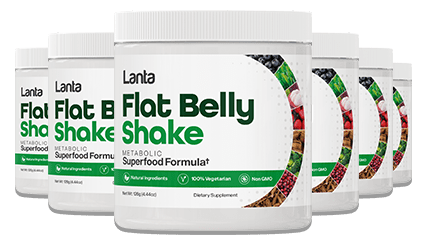
Flat Belly Shake
Flat Belly Shake uses a mix-with-water format to make a planned shake easier to fit into busy mornings and structured eating schedules. The main practical benefit is convenience and portion planning; it should be evaluated as food by checking the full nutrition panel. For mediterranean diet, the drink format helps organize a measured serving when the full label meets daily protein and calorie needs.

Nagano Tonic
Nagano Tonic is a powdered drink mix made with botanicals and nutrients including camu camu, green-tea EGCG, mangosteen, ginger and inulin. Its formula is promoted for daily metabolic, energy and digestive support; it is not a substitute for balanced nutrition or medical care. When comparing options alongside mediterranean diet, review the ingredient label and seller terms before ordering.
Frequently Asked Questions
Not necessarily. It favors higher-quality carbohydrate sources such as beans, fruit, vegetables, and whole grains, but carbohydrate intake can be adjusted without making the plan ketogenic.
You can emphasize olive oil, fish, nuts, seeds, and non-starchy vegetables while reducing refined carbohydrates. Strict ketosis, however, usually requires limiting several foods that are central to a conventional Mediterranean pattern.
A supplement label cannot establish that the user will achieve sustained nutritional ketosis or lose body fat. Diet composition, total intake, metabolism, and adherence remain important.