How to plan affordable Mediterranean meals without specialty shopping
Mediterranean meal planning works best when a small set of ingredients can be reused in salads, grain bowls, soups, and sheet-pan dinners. The goal is not to purchase imported products; it is to create a dependable mix of produce, fiber-rich carbohydrates, protein, and unsaturated fats. A useful reality check is whether a normal day of meals supplies enough protein, fiber, produce and essential fats—not just a calorie total.
Build a grocery list by function
Choose food based on the role it will play rather than collecting ingredients for unrelated recipes. One grain, two proteins, several vegetables, and a versatile sauce can cover multiple meals.
Frozen vegetables and fruit are useful when fresh produce is expensive or likely to spoil. Canned beans and fish are convenient, but compare sodium and drain or rinse when appropriate.
- Produce: leafy greens, tomatoes, onions, carrots, broccoli, seasonal fruit, lemons, and garlic.
- Proteins: lentils, chickpeas, eggs, plain yogurt, fish, tofu, or poultry.
- Carbohydrates: oats, potatoes, brown rice, barley, quinoa, and whole-grain bread.
- Fats and flavor: olive oil, nuts, seeds, olives, tahini, herbs, vinegar, and spices.
- Backups: frozen vegetables, canned beans, canned tuna or salmon, and no-added-sugar tomato products.
Prepare components, not seven complete dinners
Batch cooking is easier to sustain when ingredients remain flexible. Roast two trays of vegetables, cook a grain, prepare a bean dish, and mix one dressing; combine them differently throughout the week.
Refrigerate cooked foods promptly in shallow containers and use or freeze them within a safe storage window. If texture declines quickly, freeze extra grain, soup, or cooked beans in meal-size portions.
- Bowl: grain, chickpeas, roasted vegetables, greens, and lemon dressing.
- Soup: beans, tomatoes, vegetables, broth, and leftover grain.
- Wrap: hummus, chopped vegetables, greens, and chicken or beans.
- Sheet-pan dinner: fish or tofu with vegetables and potatoes.
- Breakfast: oats or yogurt with fruit and nuts.
Recommended Products
Control costs without losing the core pattern
Beans, lentils, oats, potatoes, cabbage, carrots, and seasonal produce usually provide more servings per dollar than prepared diet products. Compare unit prices and choose store brands when ingredient lists are similar.
Seafood does not have to mean fresh fillets. Frozen fish and canned salmon, sardines, or tuna can be economical, while lentils and beans can cover the remaining protein-focused meals. Plan the foods you can repeat on a busy weekday before buying products that promise to make the eating plan effortless.
- Plan meals around what is already in the pantry before shopping.
- Use fragile greens early in the week and cabbage, carrots, frozen vegetables, or root vegetables later.
- Buy nuts in small quantities or freeze larger packages to reduce waste.
- Skip products labeled Mediterranean when ordinary beans, oats, vegetables, and olive oil meet the same purpose.
Adjust the plan for calories, sodium, and protein
For weight loss, reduce portions of oil, nuts, cheese, bread, and alcohol before cutting vegetables or lean protein. Measuring oil for a week can reveal how much is entering the pan, dressing, and finished dish.
For higher protein needs, include a defined protein source at each meal instead of relying on small amounts from grains and vegetables. People limiting sodium should compare canned foods, sauces, breads, cheeses, and restaurant meals because salt can accumulate across the day.
- Add beans, yogurt, eggs, fish, tofu, or poultry to meals that otherwise contain mostly vegetables and grain.
- Use lemon, vinegar, garlic, herbs, and spices to build flavor with less salt.
- Increase or reduce grain portions according to energy needs, activity, and blood glucose goals.
Supplements for Mediterranean Diet

LivPure
Milk-thistle silymarin, betaine, berberine and glutathione give LivPure its liver-support focus, alongside antioxidants from green tea. The blend emphasizes a healthy liver environment for processing fats and nutrients, with green-tea polyphenols contributing additional plant antioxidants. With mediterranean diet, betaine and silymarin support normal liver nutrient processing while the meals provide protein, fiber and energy.

Ikaria Juice
Ikaria Juice combines green-tea polyphenols, citrus pectin, turmeric, dandelion and milk thistle with inulin and a multi-strain probiotic blend. The combination of probiotic cultures, prebiotic fiber and botanical polyphenols targets gut comfort and everyday metabolic health. A mediterranean diet eating pattern can be paired with its inulin-and-probiotic support for digestive balance as fiber intake changes.

Metabo Drops
Metabo Drops is a coffee-mix formula combining chromium for normal macronutrient metabolism with chlorogenic acid, green tea, L-carnitine and L-theanine. Green tea and chlorogenic acid supply plant polyphenols, while chromium and L-carnitine give the formula its nutrient-metabolism focus. Alongside mediterranean diet, the coffee or tea format supplies chromium and botanical polyphenols while food remains the source of satiety and nutrients.

Java Burn
Java Burn uses a coffee-mix format to deliver green tea, chlorogenic acid, L-carnitine, chromium and vitamins B6 and B12 for nutritional metabolism and energy. Chromium and B vitamins contribute to normal nutrient and energy metabolism; the green-tea and green-coffee extracts add polyphenols. Alongside mediterranean diet, the coffee or tea format supplies chromium and botanical polyphenols while food remains the source of satiety and nutrients.

HepatoBurn
HepatoBurn centers on liver wellness and normal fat processing, with silymarin, choline, betaine, berberine and green-tea polyphenols. Choline and betaine support normal liver lipid metabolism, while silymarin, glutathione and resveratrol add an antioxidant emphasis. With mediterranean diet, betaine and silymarin support normal liver nutrient processing while the meals provide protein, fiber and energy.

AquaBurn
The AquaBurn botanical blend contains fucoxanthin, green tea, quercetin, resveratrol and turmeric, with ginger and ginseng contributing digestive and vitality support. Fucoxanthin and green tea give AquaBurn a metabolism-focused botanical profile, complemented by ginger, ginseng and plant polyphenols. During mediterranean diet, its tea and fruit polyphenols provide an antioxidant-oriented complement to varied meals.
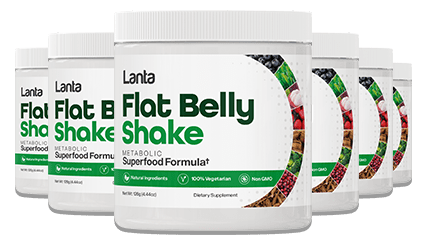
Flat Belly Shake
Flat Belly Shake uses a mix-with-water format to make a planned shake easier to fit into busy mornings and structured eating schedules. Its measured drink format is useful for setting a consistent portion, especially when breakfast is routinely skipped or replaced with unplanned snacks. For mediterranean diet, the drink format helps organize a measured serving when the full label meets daily protein and calorie needs.

Nagano Tonic
Nagano Tonic is a powdered drink mix made with botanicals and nutrients including camu camu, green-tea EGCG, mangosteen, ginger and inulin. Its formula is promoted for daily metabolic, energy and digestive support; it is not a substitute for balanced nutrition or medical care. When comparing options alongside mediterranean diet, review the ingredient label and seller terms before ordering.
Frequently Asked Questions
Dry or canned beans and lentils are often among the least expensive options per serving. Eggs, store-brand plain yogurt, canned fish, and frozen poultry can also be cost-effective.
No. Plain frozen vegetables and fruit are convenient, nutritious choices. Check for added sauces, salt, or sugar when comparing packages.
Choose a vegetable-heavy entrée or add a salad, select beans, fish, or grilled poultry, and request sauces or dressings on the side. Portion part of a large entrée for another meal. The food itself should provide meaningful protein and fiber, not only a low calorie count.