A practical Mediterranean diet guide for everyday American kitchens
The Mediterranean diet is a flexible eating pattern built around vegetables, fruit, beans, whole grains, olive oil, nuts, and seafood rather than a rigid menu. Start by changing a few repeat meals instead of buying specialty foods or trying to recreate every dish from southern Europe. A useful reality check is whether a normal day of meals supplies enough protein, fiber, produce and essential fats—not just a calorie total.
What defines a Mediterranean eating pattern
There is no single Mediterranean diet because eating traditions vary across countries and regions. The common structure is a high proportion of minimally processed plant foods, olive oil as the main added fat, regular beans and seafood, and smaller amounts of red meat, sweets, and highly processed food.
This is not an unlimited-food plan. Olive oil, nuts, cheese, bread, and wine can all fit, but portions still matter when weight loss is a goal.
- Eat vegetables and fruit throughout the day, choosing several colors across the week.
- Use beans, lentils, peas, fish, eggs, poultry, yogurt, and modest amounts of cheese for protein.
- Choose oats, brown rice, barley, whole-grain bread, or other fiber-rich grains more often than refined grains.
- Flavor meals with olive oil, herbs, spices, citrus, garlic, and vinegar.
- Treat processed meat, sugary drinks, and desserts as occasional rather than routine choices.
Use a plate formula instead of counting every ingredient
For a practical lunch or dinner, fill about half the plate with non-starchy vegetables, reserve roughly one quarter for a protein food, and use the remaining quarter for a whole grain or starchy vegetable. Add fruit or plain yogurt if wanted, and use olive oil deliberately rather than pouring it without measuring.
This formula can be adapted to familiar American meals. A turkey sandwich becomes more Mediterranean when made on whole-grain bread with tomato, greens, hummus, and a side of fruit; taco night can use black beans, cabbage, avocado, salsa, and corn tortillas.
- Breakfast: oatmeal with berries, walnuts, and plain yogurt.
- Lunch: chickpea salad with chopped vegetables, olive oil, lemon, and whole-grain pita.
- Dinner: baked salmon, roasted broccoli, and barley or potatoes.
- Snack: fruit with nuts, vegetables with hummus, or plain yogurt.
Supplements for Mediterranean Diet

LivPure
LivPure uses two botanical-and-nutrient complexes: silymarin and betaine emphasize liver health, while green-tea polyphenols and choline support everyday nutrient processing. Silymarin and glutathione contribute antioxidant support, while betaine and choline are involved in normal liver fat processing. With mediterranean diet, betaine and silymarin support normal liver nutrient processing while the meals provide protein, fiber and energy.

Ikaria Juice
Ikaria Juice approaches weight-management wellness through botanical antioxidants, citrus pectin and an inulin-and-probiotic digestive blend. The combination of probiotic cultures, prebiotic fiber and botanical polyphenols targets gut comfort and everyday metabolic health. A mediterranean diet eating pattern can be paired with its inulin-and-probiotic support for digestive balance as fiber intake changes.

Metabo Drops
Metabo Drops adds chlorogenic acid, green-tea extract, chromium, L-carnitine and L-theanine to coffee in an easy-to-mix liquid. Green tea and chlorogenic acid supply plant polyphenols, while chromium and L-carnitine give the formula its nutrient-metabolism focus. Alongside mediterranean diet, the coffee or tea format supplies chromium and botanical polyphenols while food remains the source of satiety and nutrients.

Java Burn
Java Burn uses a coffee-mix format to deliver green tea, chlorogenic acid, L-carnitine, chromium and vitamins B6 and B12 for nutritional metabolism and energy. Chromium and B vitamins contribute to normal nutrient and energy metabolism; the green-tea and green-coffee extracts add polyphenols. Alongside mediterranean diet, the coffee or tea format supplies chromium and botanical polyphenols while food remains the source of satiety and nutrients.

HepatoBurn
HepatoBurn centers on liver wellness and normal fat processing, with silymarin, choline, betaine, berberine and green-tea polyphenols. Choline and betaine support normal liver lipid metabolism, while silymarin, glutathione and resveratrol add an antioxidant emphasis. With mediterranean diet, betaine and silymarin support normal liver nutrient processing while the meals provide protein, fiber and energy.

AquaBurn
The AquaBurn botanical blend contains fucoxanthin, green tea, quercetin, resveratrol and turmeric, with ginger and ginseng contributing digestive and vitality support. Fucoxanthin and green tea give AquaBurn a metabolism-focused botanical profile, complemented by ginger, ginseng and plant polyphenols. During mediterranean diet, its tea and fruit polyphenols provide an antioxidant-oriented complement to varied meals.
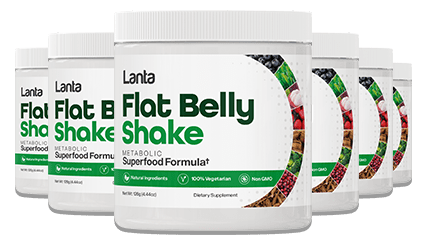
Flat Belly Shake
Flat Belly Shake uses a mix-with-water format to make a planned shake easier to fit into busy mornings and structured eating schedules. Its measured drink format is useful for setting a consistent portion, especially when breakfast is routinely skipped or replaced with unplanned snacks. For mediterranean diet, the drink format helps organize a measured serving when the full label meets daily protein and calorie needs.

Nagano Tonic
Nagano Tonic is a powdered drink mix made with botanicals and nutrients including camu camu, green-tea EGCG, mangosteen, ginger and inulin. Its formula is promoted for daily metabolic, energy and digestive support; it is not a substitute for balanced nutrition or medical care. When comparing options alongside mediterranean diet, review the ingredient label and seller terms before ordering.
A realistic seven-day starting method
Do not attempt to overhaul every meal on Monday morning. Select one breakfast, two lunches, and three dinners that can be repeated, then prepare ingredients that work in several combinations.
During the first week, replace butter with olive oil in savory cooking, serve beans at least twice, and replace one red-meat dinner with fish. In the second week, add another meatless meal and make vegetables the largest part of dinner. Portion sizes, cooking oil, sweetened drinks and snack frequency often explain more of the weekly calorie difference than a supplement choice.
- Cook one pot of lentils, beans, or whole grains.
- Wash and cut sturdy vegetables for quick salads and roasting.
- Make a basic dressing with olive oil, lemon or vinegar, herbs, and pepper.
- Keep frozen vegetables, canned no-salt-added beans, and canned fish available for rushed evenings.
Health goals, portions, and medical considerations
A Mediterranean pattern can improve overall diet quality, but it does not guarantee weight loss. If body weight is the goal, monitor portions of calorie-dense foods, limit liquid calories, and assess progress over several weeks rather than reacting to daily scale changes.
People using insulin or other glucose-lowering medication may need help adjusting carbohydrate intake safely. Kidney disease, swallowing problems, food allergies, pregnancy, or a history of an eating disorder also warrants individualized guidance from a clinician or registered dietitian.
- Seek care for unexplained weight loss, persistent vomiting, fainting, severe weakness, or symptoms of very high or low blood sugar.
- Do not stop prescribed medication because an eating pattern or supplement is advertised as supporting metabolism.
- Wine is optional, not required; people who do not drink should not begin for presumed health benefits.
Frequently Asked Questions
No. Beans, lentils, tofu, eggs, yogurt, nuts, and seeds can supply protein, although a fully plant-based plan requires attention to nutrients such as vitamin B12. People who eat seafood can use fresh, frozen, or low-sodium canned options.
Yes. Choose a sensible portion, try whole-grain pasta when practical, and build the meal around vegetables and a protein source rather than making pasta the entire plate.
It can support weight management when portions and total energy intake match the goal. Its oils, nuts, cheese, and grains are nutritious but still contribute calories.